Nihiwatu
West Sumba · Sumba
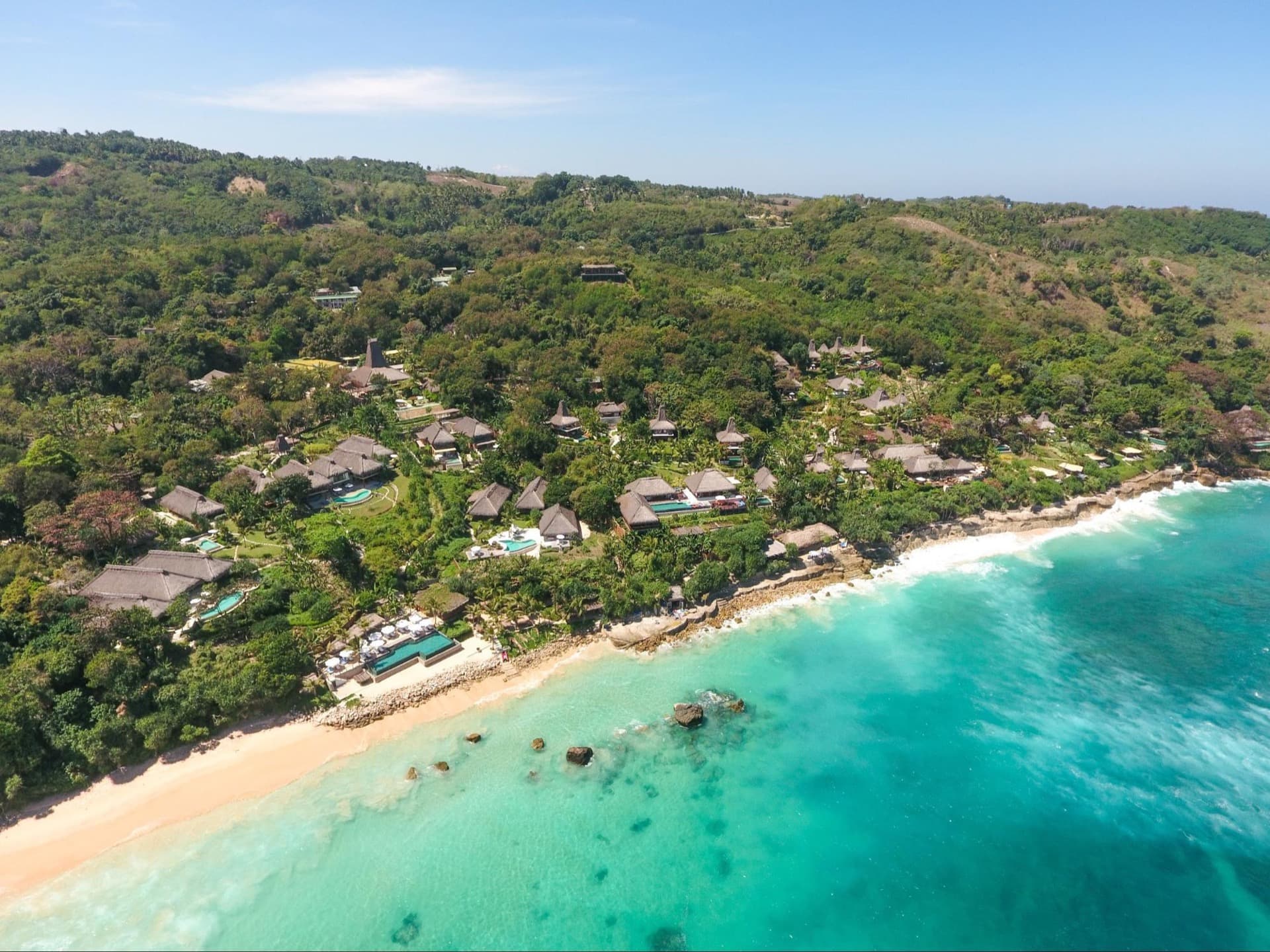
Photo: C980040 / Wikimedia Commons (CC BY-SA 4.0)
Nihiwatu shown against the other locations in West Sumba — the other pins are clickable.
Area Today
Nihiwatu is home to one of the world's most acclaimed luxury resorts, built around a private stretch of West Sumba coastline and a famous left-hand surf break that the resort itself controls access to — a fundamentally different model from almost every other area on this platform, where land and beach access are open to individual buyers.
The resort was founded in 1988 by Claude and Petra Graves. In 2012 it was acquired by Christopher Burch and James McBride and relaunched as NIHI Sumba, going on to be named the world's best hotel by Travel + Leisure in both 2016 and 2017. NIHI, together with Cap Karoso, functions as the island's defining landmark — the reference point that shapes how the whole destination is perceived internationally.
Nihiwatu is a special-case Development-phase enclave inside an island that is otherwise still overwhelmingly in the Exploration phase — the earliest stage of the Tourism Area Life Cycle model, where visitor numbers are small and infrastructure is minimal. Nihiwatu got there not by gradual area-wide growth but by one operator buying and consolidating a large, contiguous stretch of coastline early — a deliberate pattern among Sumba's biggest resorts, which have bought up dozens of hectares specifically to protect the surrounding area from other development.
Where This Is Heading
Observation, not predictionBecause the beach and surrounding land here are controlled by the resort operation itself, Nihiwatu doesn't follow the organic, plot-by-plot growth pattern I track everywhere else — its trajectory depends on the resort's own expansion and investment decisions, not on a broader market of individual buyers and developers. I would not expect Nihiwatu to open up as a market for individual land purchase or independent development the way West Sumba's other coastal areas have; its whole value proposition rests on exclusivity and controlled access.
Investment Context
This is important to understand clearly: unlike Kerewe and much of the rest of West Sumba's coast, where individuals can still acquire land directly, Nihiwatu's beach and surrounding land are effectively controlled by the resort operation. There is no meaningful path here for an independent investor to buy beachfront land or build competing hospitality product directly on this stretch of coast — any opportunity connected to Nihiwatu is more likely to be adjacent to, rather than part of, the resort's own controlled area.
Good to know
A resort with its own beach
Nihiwatu is the established area because a resort has been here since the 1980s. The beach and surrounding land are largely controlled by the resort.