Two Sides of Growth
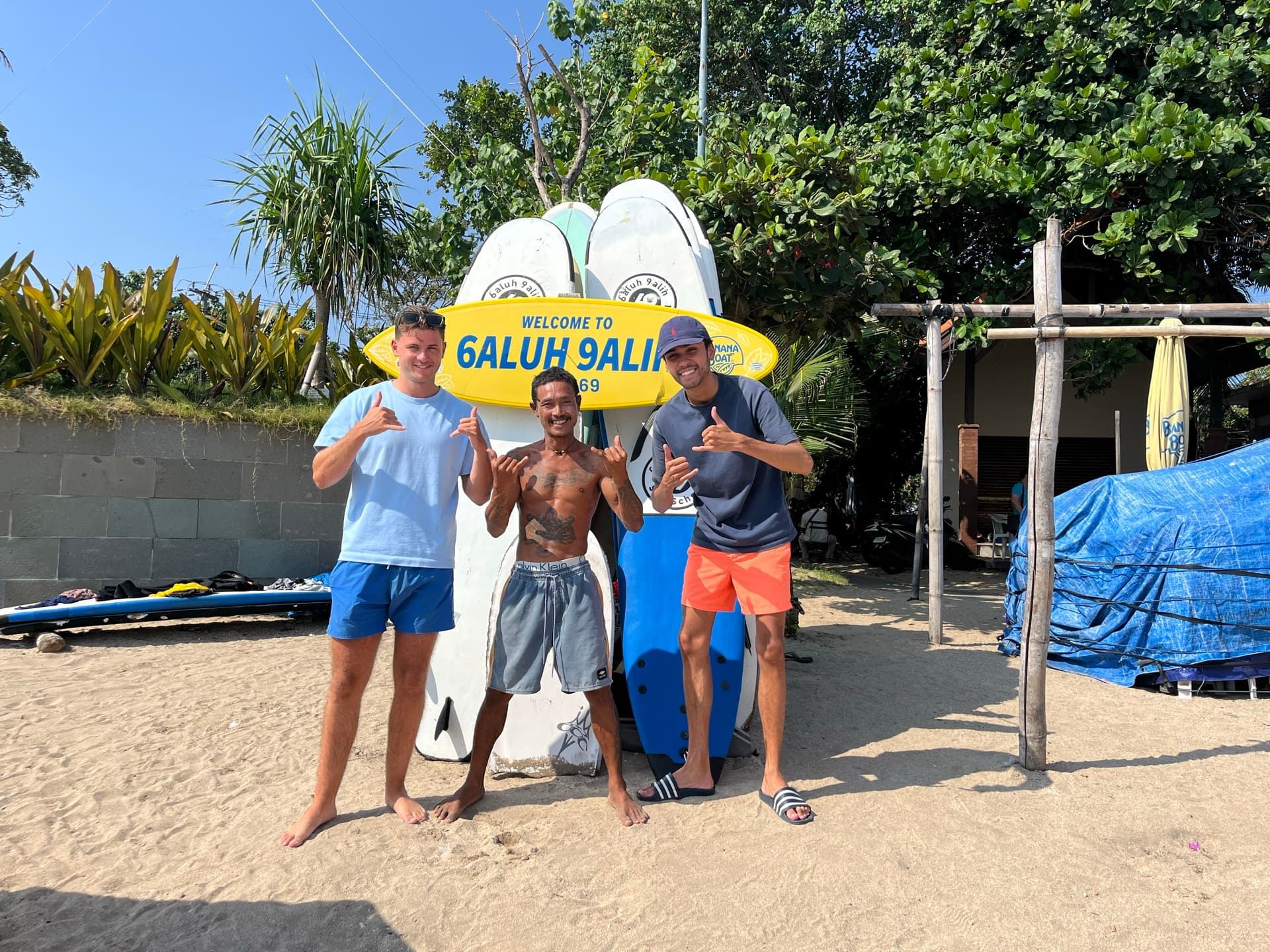
I've been going to the same barber on Bali for a while now: Ocin, at Chop Barber. By now he's more than my barber. I also often play football with him in my free time, and we talk about all sorts of things. At some point my research topic came up: how Bali is developing, and what that means for the people who live here. What he told me made me think.
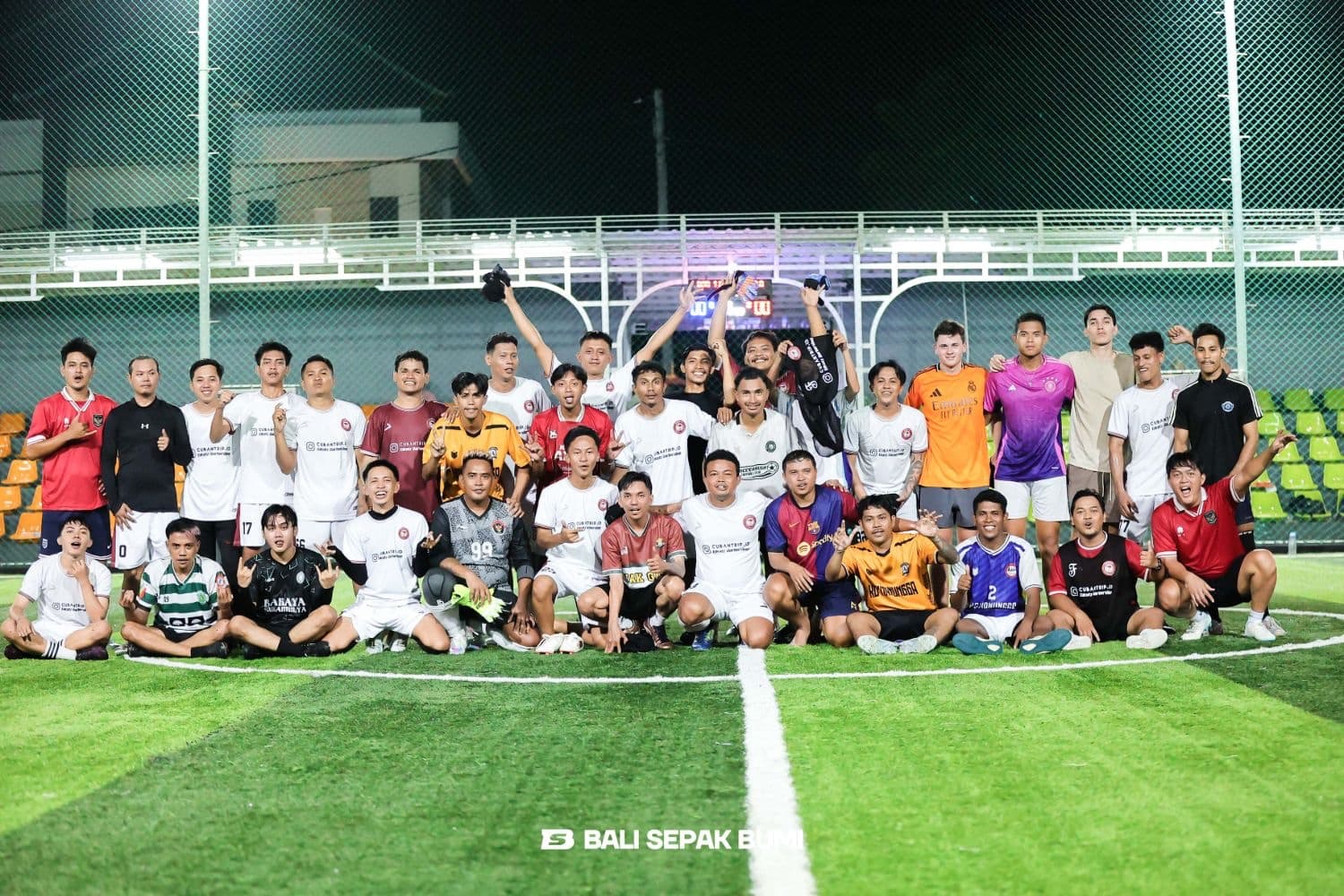
The growth of Bali is often discussed in extremes: either the island is being built to death, or tourism is a blessing. In my experience, both are true. In this article I show both sides, and then how I use them to assess property on Bali, Lombok and Sumba for its social value.
The beach that is no longer free
Ocin told me that many locals aren't happy with the way Bali is developing. According to him, a kind of gentrification is taking place. Land prices in the coastal areas are rising sharply because developers want so much land there. As a result, living on the coast is becoming too expensive for many Balinese, who are pushed further inland or end up living in and around Denpasar.
One example he gave stuck with me: locals now often have to pay to go to the beach, while it used to be free. For tourists the entrance fee is usually low, but for locals it can be expensive. For many of them it feels as if their own beach is being taken from them.
I think that's a real shame, and from a social point of view it's certainly not good. A beach should simply be there for the people who live next to it.
It isn't only about the money. It's about the feeling that a place is still yours. When a beach gets an entrance ticket, something changes in who feels at home on their own island, even if that ticket feels like very little to a tourist.
But Ocin himself wouldn't have it any other way
And yet this isn't the whole story. Ocin himself comes from a small village on Java. He moved to Bali to build a career, and now works as a barber at Chop Barber. For him, Bali's growth has been very positive. He wouldn't have wanted it any other way.
Ocin is certainly not the only one. Walk around Bali and you meet an enormous number of people who came to the island to work, from all sorts of different islands. Tourism created an opportunity for every one of them.
For someone from a small village, tourism is more than an industry. It's a route to work, an income and a future of their own that isn't always within reach in a village like that.
The people who build the villas
The same goes for the construction workers. During the build, they live first in huts on the site and later in the shell of the building they are putting up themselves. That may sound harsh, and it's a side I want to show too. But what I see is that these people are very happy and grateful. Without all these villas, they wouldn't have had any work.
Two sides of the same coin
So there are two sides to the coin. It helps me to put them side by side.
What the growth costs:
- Land on the coast becomes so expensive that locals move further inland or in and around Denpasar.
- The beach, once free, now charges entry, and for many locals that feels as if their own beach is being taken from them.
- Land is sold half-forced: the offer is so attractive and many families are poor, so land that normally stays in the family still goes.
What the growth brings:
- Work and a career opportunity for people who come to Bali from small villages and other islands, like Ocin.
- Work for the construction workers who put up the villas, and who are happy and grateful for it.
- An island where people from all over the world meet.
- Selling or leasing land brings in a lot of money.
One doesn't cancel out the other. But anyone who only sees the first side misses people like Ocin, and anyone who only sees the second misses what it costs the islanders. That's why I think it's important to show both, rather than picking one because it fits a story better.
Small things that mean a lot
Last year, during my internship, I went surfing every week. Because of that we built a really good connection with the people there. We had a regular guy we went surfing with. And on the beach there was always a man selling ice cream. That man had a smile from ear to ear.
The beautiful thing is that small things like that mean so much. A year later I came back to the same beach, and he recognised me right away. Those are the beautiful moments, and to me that describes the Balinese perfectly: very warm-hearted and always with a smile.
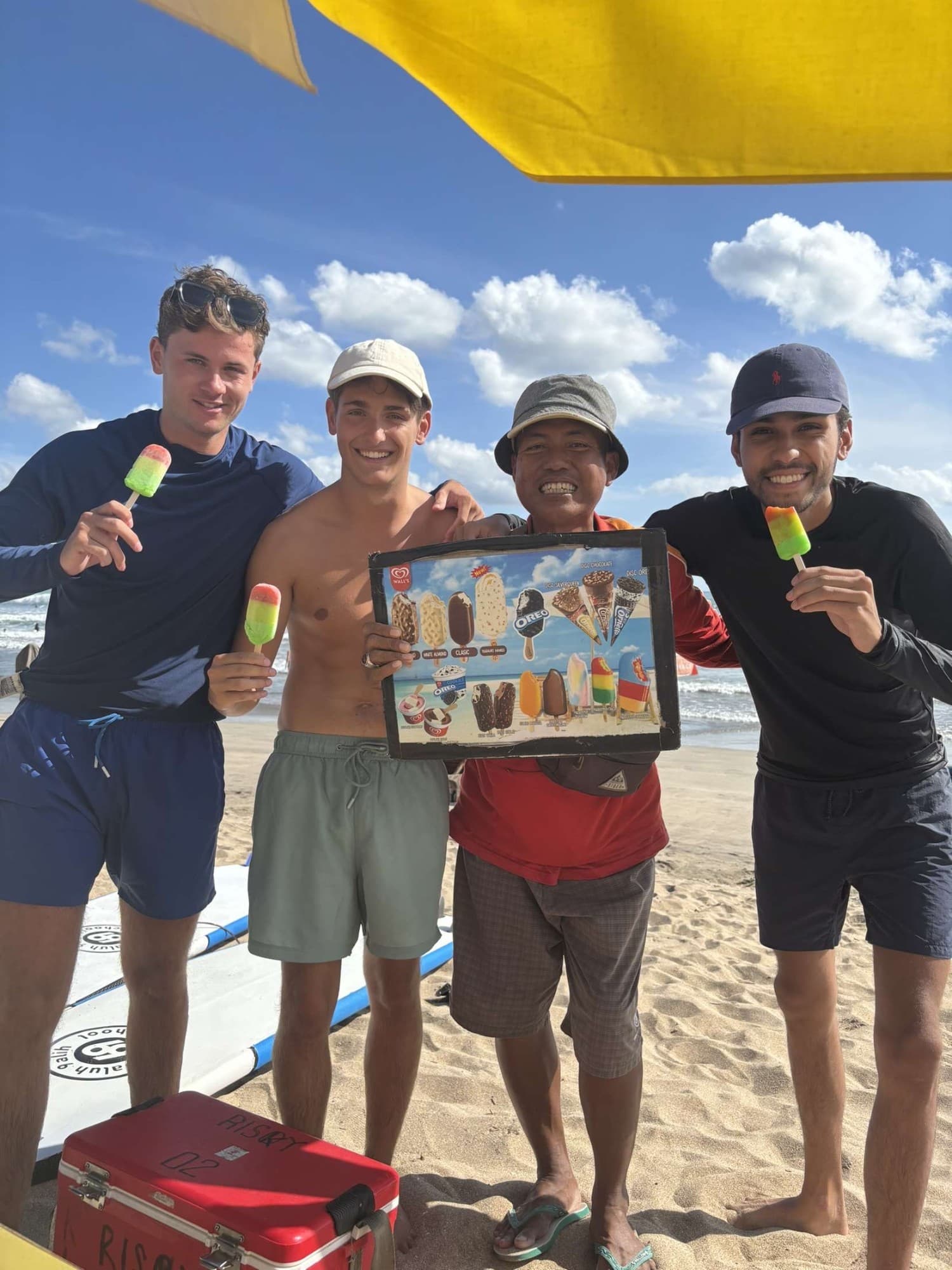
That's also what makes it so double-edged. You see how many people build their day, their income and sometimes their future around what we come to do as visitors. That awareness makes it harder to be only critical.
A kind people, from all over the world
Something else I notice: the Indonesians I've spoken to actually love that so many different tourists come. In my experience, Indonesians are quick to be happy and a very kind people. I hear the same from foreigners. "I came for the people" is something you often hear them say.
That makes Bali a place where people from all over the world live side by side in harmony. A developer I know from my internship, who moved to Bali himself, put it like this in our conversation:
“All the people here, the locals and the international, they become like quiet, nicely … It's peace and love. That's what I call Bali.”
He also told me that Bali is bringing people together, "a very unique area and place", and that the buyers in his projects come from more than twenty countries.
How I look at an area
These stories give me a feel for a place, but they aren't evidence yet. So in every area I look at five things, and for each one I ask myself a question.
- Tourism. Is the demand solid? Kuta is in the stagnation phase, Seseh and Kedungu are still developing, and most of Sumba is only just starting. Building at the start of that curve is a different risk than building at its peak. My question: does the project fit the phase of the area?
- Economy. Who earns from it? Property creates work, as Ocin and the construction workers show, but value also leaks away, and rising land prices push locals off the coast. My question: how much work and value stays in the area?
- Living environment. What gets lost? The rice fields around Canggu became villas, and around Ubud farmland is under pressure. My question: how much farmland, water and coastline disappears, and can it be undone?
- Infrastructure. Does it come first, or afterwards? Canggu's roads began as farm tracks and on the Bukit water arrives by truck, while in Mandalika the roads and water were laid first. My question: does the infrastructure come before the building?
- Local interests. Who is asked? Selling land often feels half forced: the offer is so attractive and many families are poor, so land that normally stays in the family still goes. On Sumba the land title often isn't even registered. My question: is the title clean, does the community agree, and does the coast stay open to the people who live there?
My view
My view is clear: I want everything to be open to discussion. I want to show you everything that is at play in an area. If you choose to develop there, buy land, have a house built or rent it out, I want to show you what impact that has, negative as well as positive. It always works both ways.
Growth itself isn't the problem, the order is. Bali shows what happens when growth outruns infrastructure and rules. Lombok shows that preparation can make the difference. Sumba shows that the question there isn't yet about returns, but about who has a right to the land.
What matters most to me is that the choice always stays with you. All I want to do is inform you honestly and show you the options well.
This article is based on my own experiences, conversations and research, including with Ocin and a developer. It reflects their words and my impression, not representative research among all residents.
More articles
Sumba Between Poverty and Authenticity
An estate agent on Sumba told me why local people sell their land, and why he thinks that helps. It made me think about how a poor, authentic island can develop without losing what makes it special.
Read more→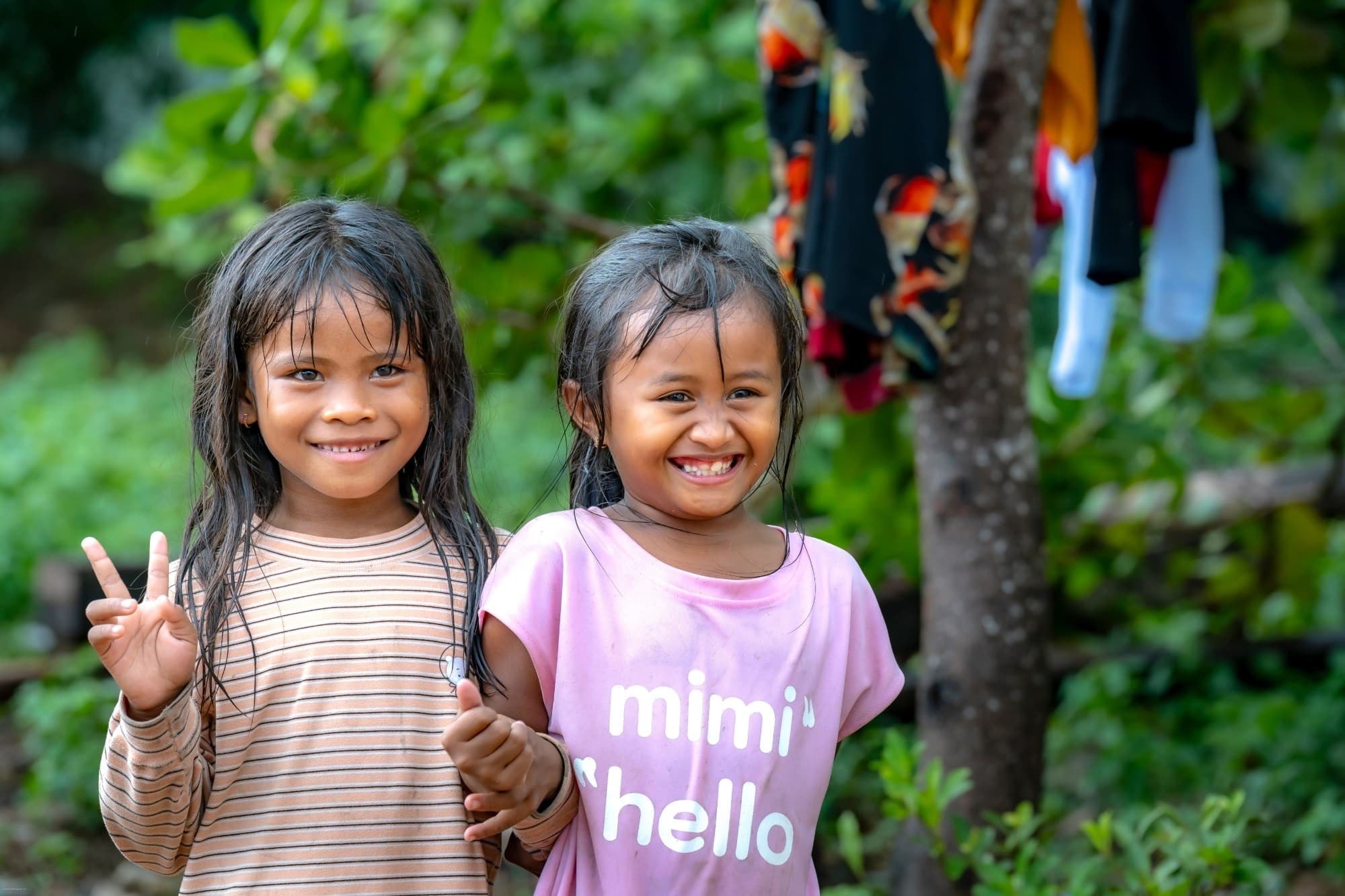
Sumba: The Island and the People Behind It
During my research on Sumba I spent time with a taxi driver who has lived on the island for 17 years. His stories were not about real estate but about how people live there. What stayed with me most is how the people are.
Read more→