Sumba Between Poverty and Authenticity
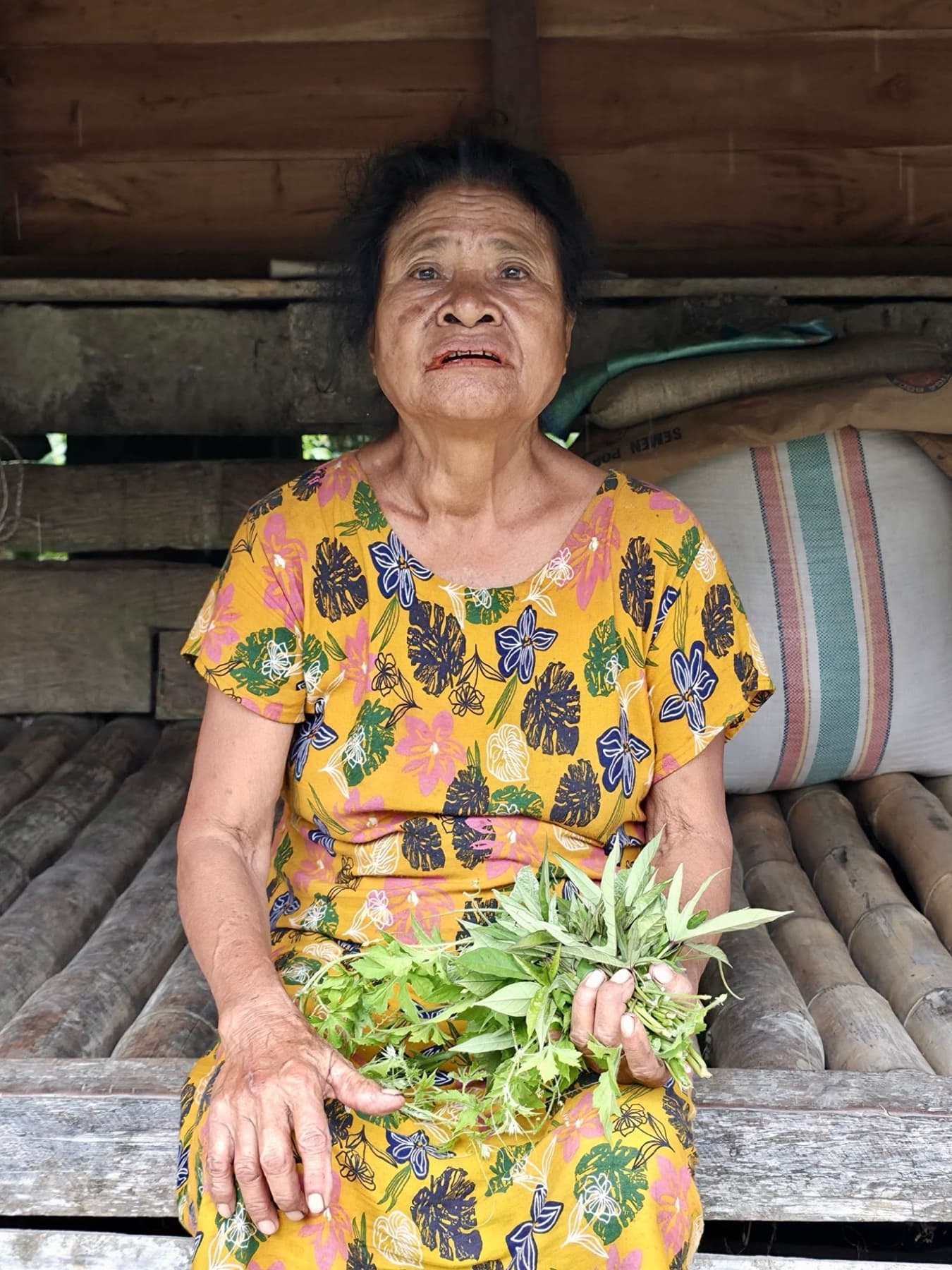
During the early phase of my research I spoke with an estate agent who lives on Sumba for most of the year. Two years ago he gave up his corporate job in Geneva to work there. What he told me went beyond property. It was about poverty, education, and the question of who an island develops for.
A poor island with an emerging market
According to him, tourism investment on Sumba is only beginning to catch on. Two large hotels that don't belong to a chain, Nihi and Cap Karoso, are the landmarks of the island. Investors from other countries buy large plots, ten or even fifty acres (roughly four to twenty hectares), to develop luxury projects. The guests are a medium-to-high segment, he said, and backpackers don't really work because there is no infrastructure for them. The west of the island is for foreign tourists; the east is mostly domestic tourism, at lower rates.
The poverty shows in the facilities. In his words the infrastructure is 'not great': the island needs more roads and more electricity, some villages still have no power, and water comes from wells. A piped water network only exists in Tambolaka and Waingapu. And the island is about two and a half times the size of Bali.
At the same time, the scale is still small. At any given moment, he estimated, there are around 1,500 to 2,000 rooms on the whole island. Flights doubled between 2025 and 2026, and he sees more tourists and more buyers every year. In his words, Sumba is becoming trendy.
The land that is being sold
According to him, most of the land that investors are now building on has already been sold: some to foreigners, some to Balinese or people from Jakarta. Because land on Sumba is still cheap compared with Bali and Lombok, buyers aim at the upper end of the market to get as much out of it as possible. What is appearing now are mostly resorts and villa complexes on the beachfront.
It happens remarkably easily. All the land is agricultural, belonging to people who received it from the government and local chiefs, and converting it to tourism is straightforward. There is no zoning plan yet. There is one rule learned from Bali: within a strip of thirty to a hundred metres from the high-tide line, only semi-permanent building is allowed, so that if a structure is abandoned, the government can remove it cheaply. The government has no money to demolish buildings the way Bali has.
His goal: selling land to move forward
Why does he do this? He works mostly with local people who want to sell their land, he says. For them it's the only way to get money to send their children to school on another island, because on Sumba education stops after the ninth grade. He also explains why it's the beachfront land that comes up for sale: nobody lives on the beach. People have bad memories of it, he says, because the island was invaded from the sea three times. People moved away from the coast to the fields they cultivate. They'd rather sell that coastal land and use the money to get ahead.
In his own words (freely translated):
“That's why I'm here: to help these people, so that an island like this doesn't stay so poor. It's a shame. The people here are fantastic. Helpful, kind.”
He added that people on Sumba like helping foreigners and are happy to do so.
What I make of this
I take his argument seriously. Poverty isn't an abstract idea: when education ends after the ninth grade, money for school on another island is the difference between staying put and getting ahead. Selling land can then be a logical step, especially coastal land that people don't use themselves anyway.
At the same time, I weigh his story. He is an estate agent who earns from sales, and his view may be partly coloured by his own interests. That doesn't make it untrue, but it does make me ask what a sale really delivers, and for whom. A sale happens once: when the land is gone, it's gone. So what the community receives has to last.
My view: growth in which Sumba doesn't lose itself
My view is that Sumba may develop, but not at the expense of what makes it unique. I've seen on Bali how quickly a coastline can change. What makes Sumba special is that it is still so authentic, in how people live and in how they treat visitors. Without a zoning plan, the character of the island depends on the choices of individual buyers. Development should help people move forward — education, income, basic services — without turning the island into a copy of Bali.
Precisely because people on Sumba are so open and hospitable, it matters that nobody makes a decision they can't fully oversee. For me that comes down to four conditions:
- Land: a clean title, independent checks and the consent of the community.
- Proceeds that last: money from a sale should really end up in education and services, ideally together with jobs and income.
- Scale: small and low-density, so the character of the island stays intact.
- Rules first: zoning and coastal rules before the growth, not after.
Sumba doesn't have to choose between staying poor and losing everything. But that route only exists if the order is right: first agreements, then growth.
This article reflects what an estate agent on Sumba told me in a conversation at the start of my research. He is an estate agent himself, and his statements are his own account, not checked against an official source.
More articles
Sumba: The Island and the People Behind It
During my research on Sumba I spent time with a taxi driver who has lived on the island for 17 years. His stories were not about real estate but about how people live there. What stayed with me most is how the people are.
Read more→
Two Sides of Growth
A villa never stands apart from the area around it. Using Bali, Lombok and Sumba, I show how I assess property for its social value: through tourism, the economy, the living environment, infrastructure and local interests.
Read more→