Sumba: The Island and the People Behind It
During my research on Sumba I spent time with a taxi driver called Agus, who comes from another island and has lived on Sumba for 17 years. He told me about the island, daily life and local culture. None of it was about real estate, and that is exactly why I want to write it down: it is what you won't find in a market report.
Surf and tourism
According to him, Sumba is Indonesia's second surf destination, after Sumatra. That matches what I saw elsewhere: where the surf is, tourism follows.
Living with the dead
On Sumba, graves are not hidden away. You see them above ground everywhere, which I find very special. They stand in the gardens of families, usually made of concrete and close to the house, and according to Agus it is normal for two or three relatives to lie in one grave.
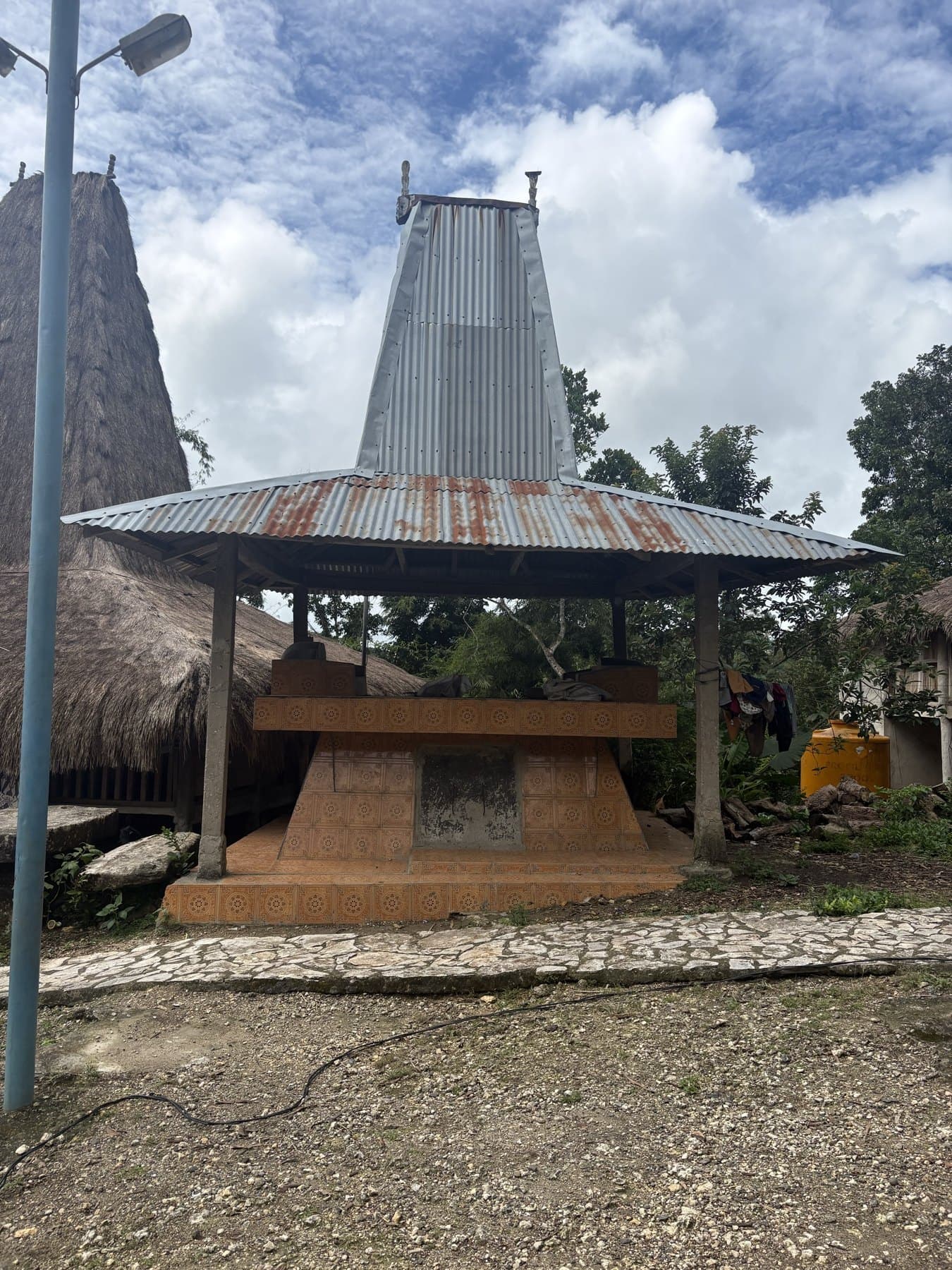
The traditional houses are built around daily life in a similar way: under the high, pointed roof the harvest and supplies are kept out of reach of rats.
Buffalo, ceremonies and Marapu
Buffalo play a central role in ceremonies. At weddings they serve as payment for the bride, at funerals they are sacrificed. The body can stay in the house for up to seven days, with a ceremony every day, and for a king the ceremony can last three weeks, with sometimes as many as 20 buffalo a day.
Besides Catholics and Protestants, Sumba has its own religion, Marapu, which exists only on the island. According to him, younger generations in particular are switching to Catholicism, and not only out of belief: followers of Marapu would find it harder, or impossible, to apply for an official Indonesian identity card, so some people become Catholic in order to get one. I haven't been able to check that, but it says something about how formal rules and traditional life collide on the island.
Landscape and language
West Sumba is greener and more tropical, East Sumba drier and closer to savannah. Six languages are spoken on the island, and many people use betel nut.
The people
What stayed with me most was not what the driver told me, but how the people are. I have met many kind people on Bali, but on Sumba the kindness felt more direct. I say that deliberately.
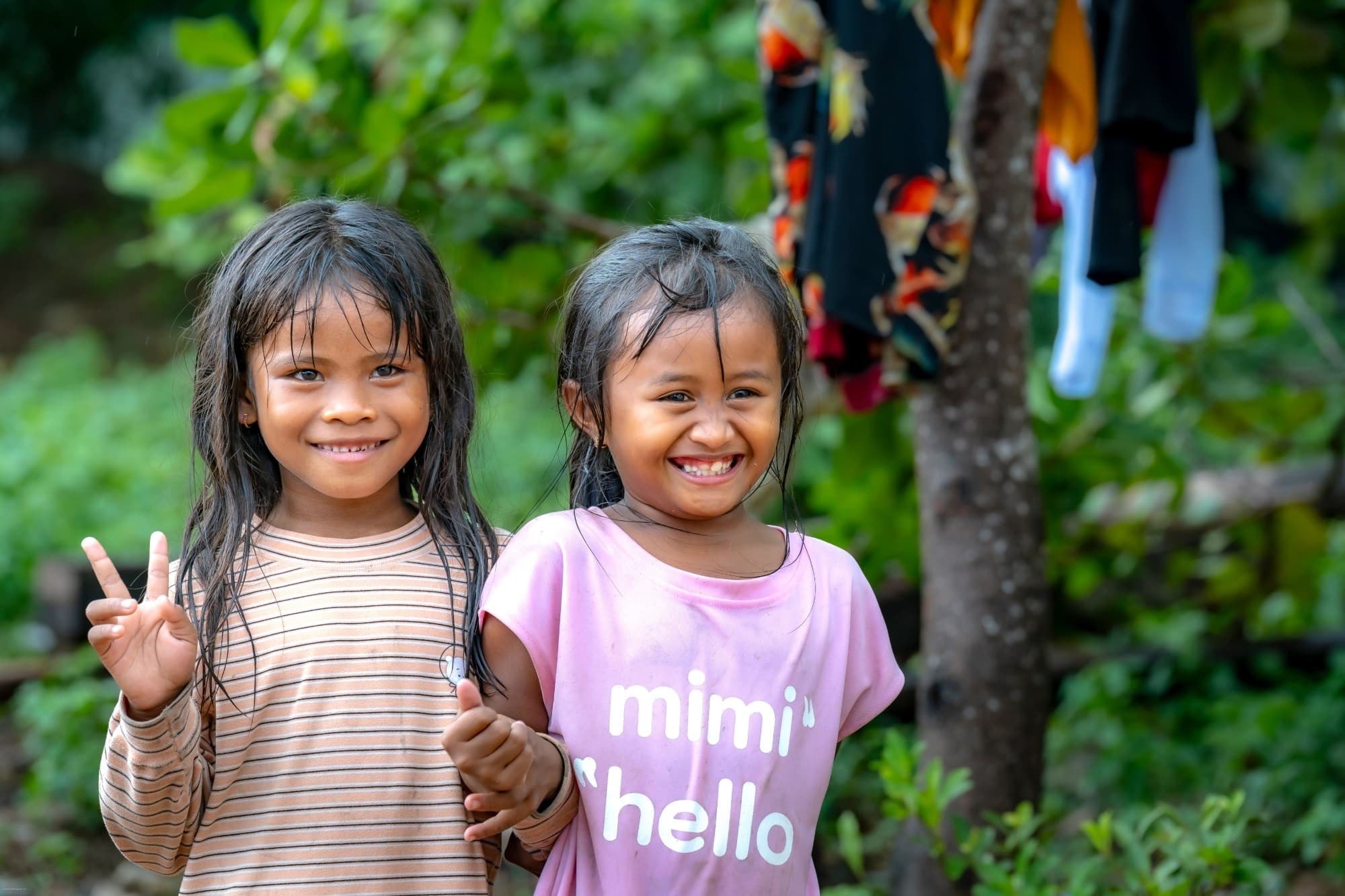
We had rented a scooter and rode across the island. Along the road, children stood waving at us, and as a stranger you are treated like someone who is welcome. The photo at the top of this article is one of those moments: two children who were happy to pose for a second.
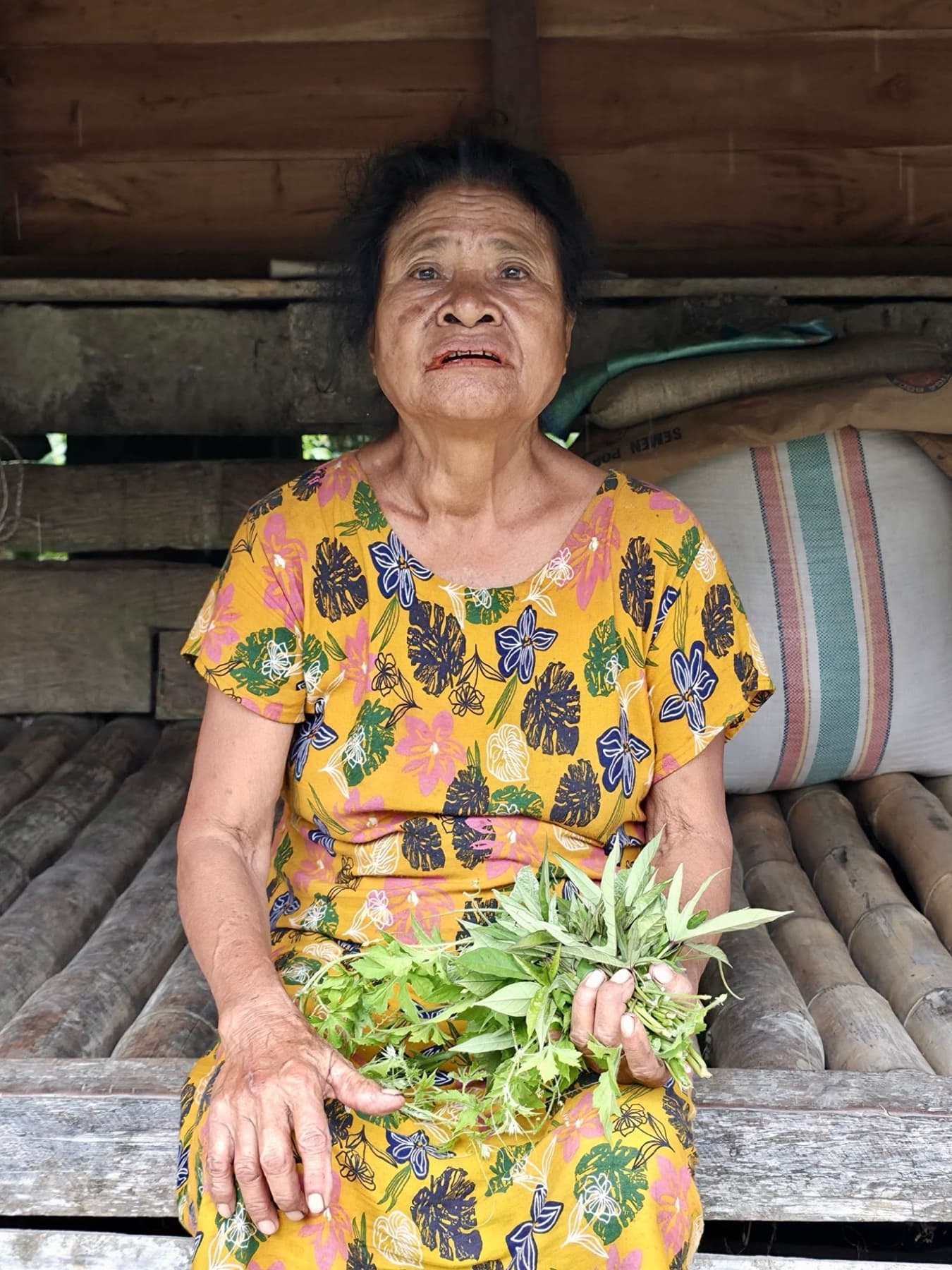
People are also open about what they have. They show you their small house and belongings, and they do it with pride. An estate agent who lives on Sumba for most of the year, and whom I also spoke with, puts it in his own way: the people are helpful and like foreigners. That matches my experience. For me, that is also a large part of what makes Sumba authentic: not a building or an attraction, but how people treat a stranger.
Why this matters to me
For a property platform this may look like a detour. It isn't. On Sumba, land is more than a product. It belongs to a family and a community, and that community has a say in what happens to it. Anyone who invests here enters an existing way of life, not an empty plot.
That is why I say you should understand an area before you look at a property, and why that includes the people who live there. It is also the reason I stress independent verification and the consent of the community when it comes to land titles on Sumba.
This article is based on my own experience and an informal conversation with Agus, a taxi driver on Sumba. What is said about the island is as he told it to me, and has not been checked against an official source.
More articles
Sumba Between Poverty and Authenticity
An estate agent on Sumba told me why local people sell their land, and why he thinks that helps. It made me think about how a poor, authentic island can develop without losing what makes it special.
Read more→
Two Sides of Growth
A villa never stands apart from the area around it. Using Bali, Lombok and Sumba, I show how I assess property for its social value: through tourism, the economy, the living environment, infrastructure and local interests.
Read more→