My Bali Investment: Why I Chose Bingin and What to Watch For
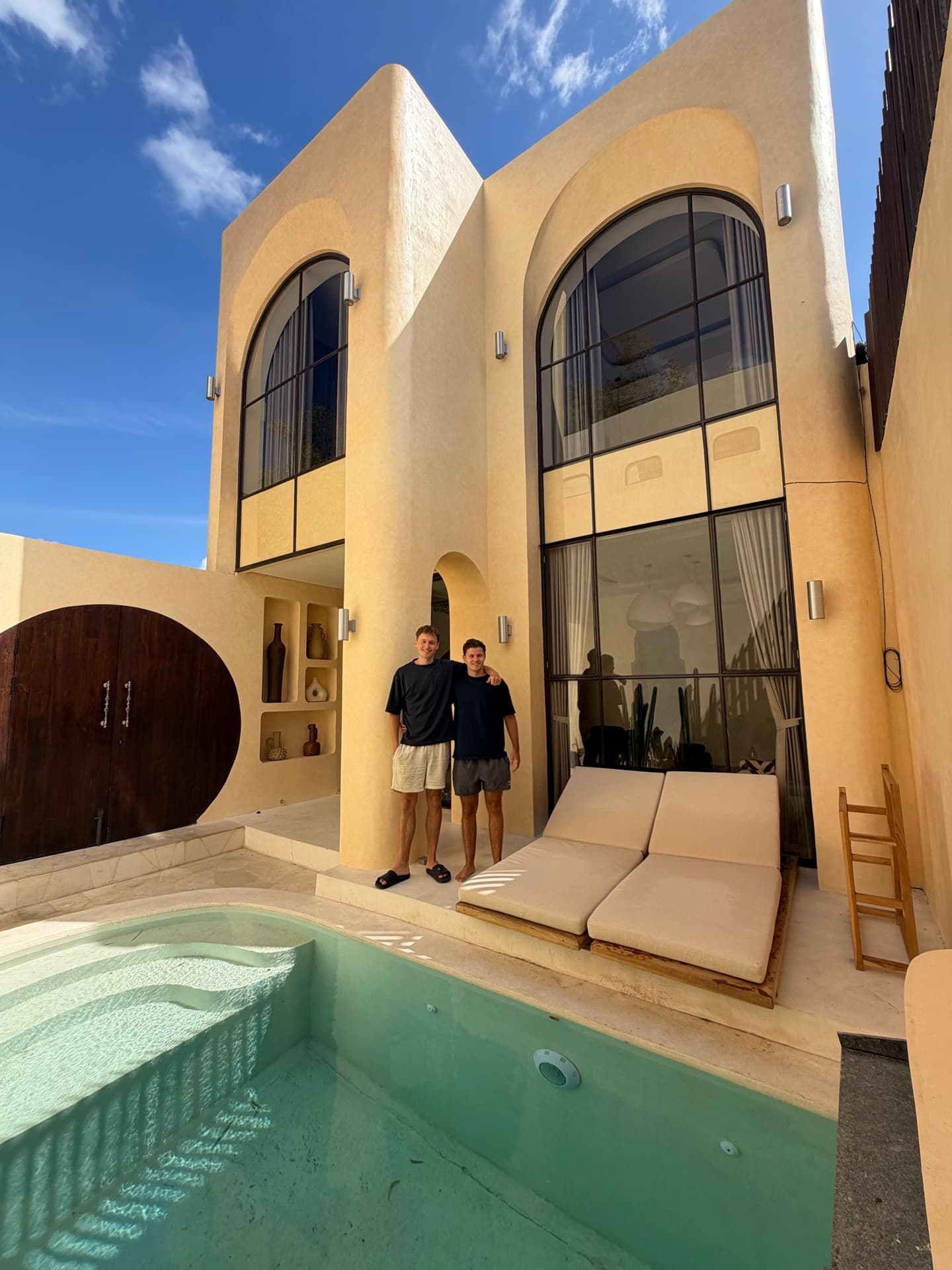
I bought an off-plan villa myself in Bingin, on the Bukit Peninsula in the south of Bali. In this article I share why I chose this area, how the buying process works, and what I think should always be written into your contract.
Why Bingin?
Bingin is currently one of the most interesting areas on Bali. That's mostly down to scarcity.
On the west coast, development keeps pushing further along. First Canggu, then Pererenan, Seseh and Cemagi — there's always a next village along the coast where building can continue. The Bukit works differently. Land there is limited, and once it's built out, there's nowhere further along the coast to shift to. Full is full.
At the same time, demand for this area keeps growing. For me, limited supply and rising demand are the foundation of a good investment.
Tip 1: choose a developer with a track record
On Bali, it's fairly common for developers to deliver late or for the quality to disappoint. So choose a developer who has already completed multiple projects. Here's how to check:
- Look at earlier projects. Go and see the quality for yourself. If it's not good, don't start.
- Talk to earlier buyers. Ask about their experience. Was it delivered on time? Were problems handled properly? If they're satisfied, that's a good sign.
Tip 2: work with a good agent
A good agent often has a stronger negotiating position than you do as an individual buyer. An agent also knows the market and which developers are reliable. The company I interned at, for example, kept a database rating developers with stars. That knowledge is worth a lot to you as a buyer.
How the buying process works
- You make an offer. If it's accepted, you usually have a few days to pay a 10% deposit.
- The deposit goes to a notary. The money sits in the notary's escrow account. My tip: always work with a notary.
- The notary carries out due diligence. This usually takes about two weeks. Among other things, the notary checks whether the land genuinely belongs to the seller, whether the zoning is correct, whether the building permit (PBG) has been applied for, and whether all certificates are in order — in short, everything you need to know to avoid being scammed.
- Once everything checks out, the deposit is released. The agent's commission, often around 5%, is usually paid out of that 10%. The rest goes to the developer.
For an existing villa, you usually have about two weeks after the deposit to transfer the remaining 90%. For an off-plan villa, you work with payment instalments instead.
Tip 3: pay in instalments per construction phase
For an off-plan villa, agree on a payment plan tied to construction progress. You might pay one portion once the foundation is finished, and another once the roof is on.
Why? On Bali, you have less legal protection than in the Netherlands. There's always a risk a developer goes bankrupt or stops. If that happens, you've only paid for what's actually been built. Say you've paid a 10% deposit and 20% for the foundation — you're left with a 30%-paid plot with a foundation on it, and you'll need to find someone else to finish the build. Annoying, but you haven't lost everything.
On the other hand, buying off-plan often delivers 10 to 20% in value appreciation by the time the villa is finished — in effect, the reward for the risk you're taking. Just factor in a build time of roughly 12 to 14 months during which you won't have any rental income yet, and account for that in your return calculation.
Tip 4: include a penalty clause
You're buying a villa to generate income. If the developer delivers late, you miss out on that income. So make sure your contract includes a penalty for late delivery.
In my case, that's $100 per day. For every day the villa is late, the developer pays me that amount. That way you still have some income, and it works as a deterrent — no developer wants to pay that penalty, so they do their best to deliver on time.
Tip 5: hold back 10% at handover
At handover, check carefully that everything has been finished correctly and completely. On top of that, hold back around 10% of the final payment in the notary's escrow account. Here's how I structured it:
- 5% after two months. If there are no defects after two months, the developer receives this portion.
- 5% after receiving all documents. This portion stays with the notary until the developer has delivered all required documents — most importantly the SLF (Sertifikat Laik Fungsi), the certificate confirming the building is safe and fit for use, which you need to legally rent out the villa.
You often won't receive the SLF until 8 to 12 months after handover. Without this clause, you risk a developer never delivering the documents — leaving you with a villa you can't do much with.
Tip 6: make sure the warranty is clear
Include a clear warranty arrangement in your contract. On Bali, a warranty period of around a year is standard — shorter than in the Netherlands, but normal here. At minimum, make sure the developer is contractually required to fix defects during that period.
Tip 7: review the contract critically yourself
Have your agent draw up the contract, but don't assume it's automatically good. I've seen agents simply reuse standard contracts. I added a lot of clauses myself. At minimum, check that these points are included:
- the penalty clause for late delivery;
- the warranty arrangement;
- the phased payment plan;
- the 10% held back by the notary until there are no defects and all documents have been delivered.
Always have an expert look it over, but stay critical yourself too.
Investing on Bali can be attractive, especially in a scarce area like Bingin. The difference between a good and a bad investment usually comes down to preparation: the right developer, a good agent, a notary, and a contract that protects you. Take the time for that — it pays off many times over later.
This article is based on my personal experience and does not constitute legal or financial advice.
More articles
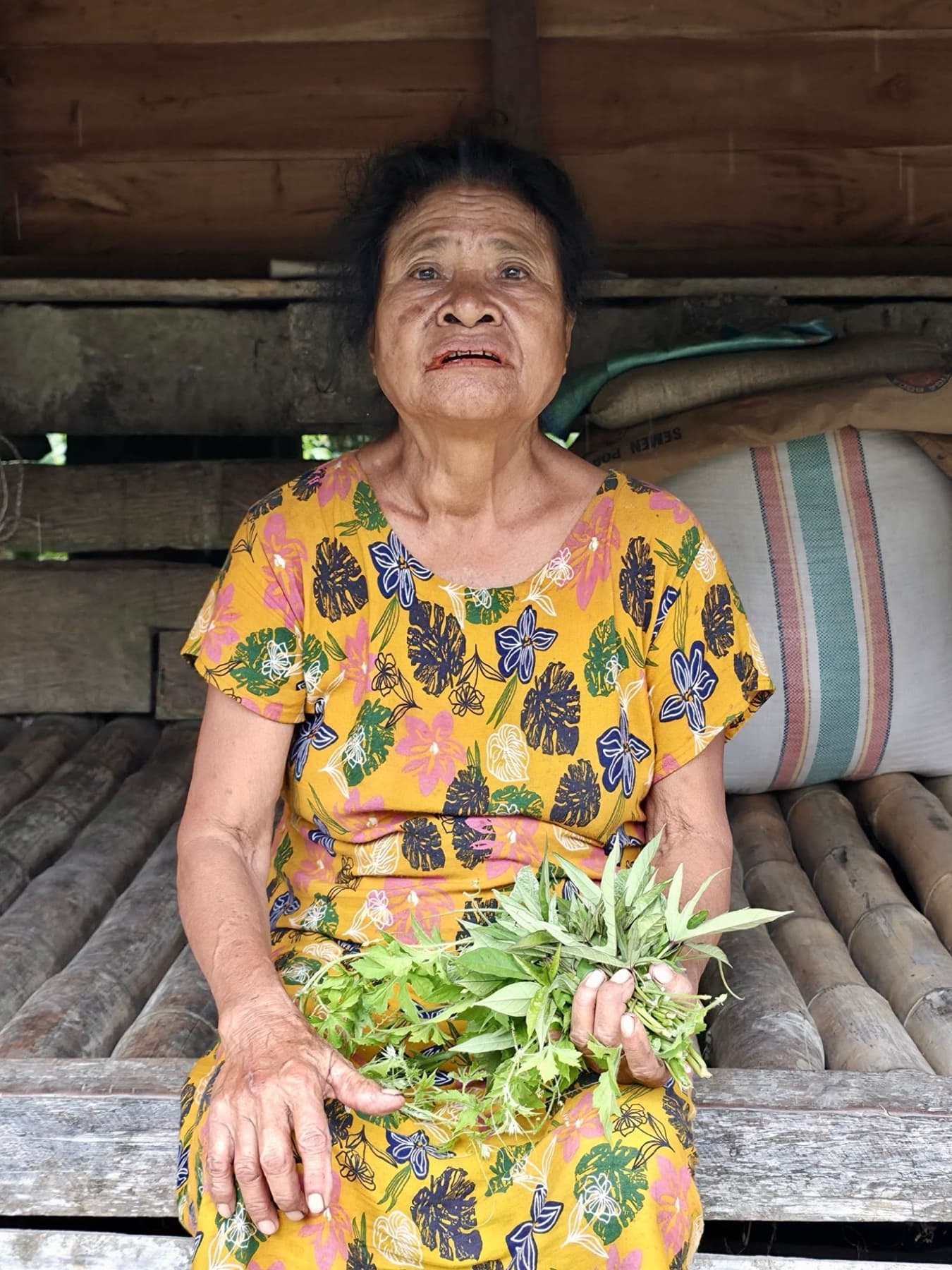
Sumba Between Poverty and Authenticity
An estate agent on Sumba told me why local people sell their land, and why he thinks that helps. It made me think about how a poor, authentic island can develop without losing what makes it special.
Read more→
Sumba: The Island and the People Behind It
During my research on Sumba I spent time with a taxi driver who has lived on the island for 17 years. His stories were not about real estate but about how people live there. What stayed with me most is how the people are.
Read more→